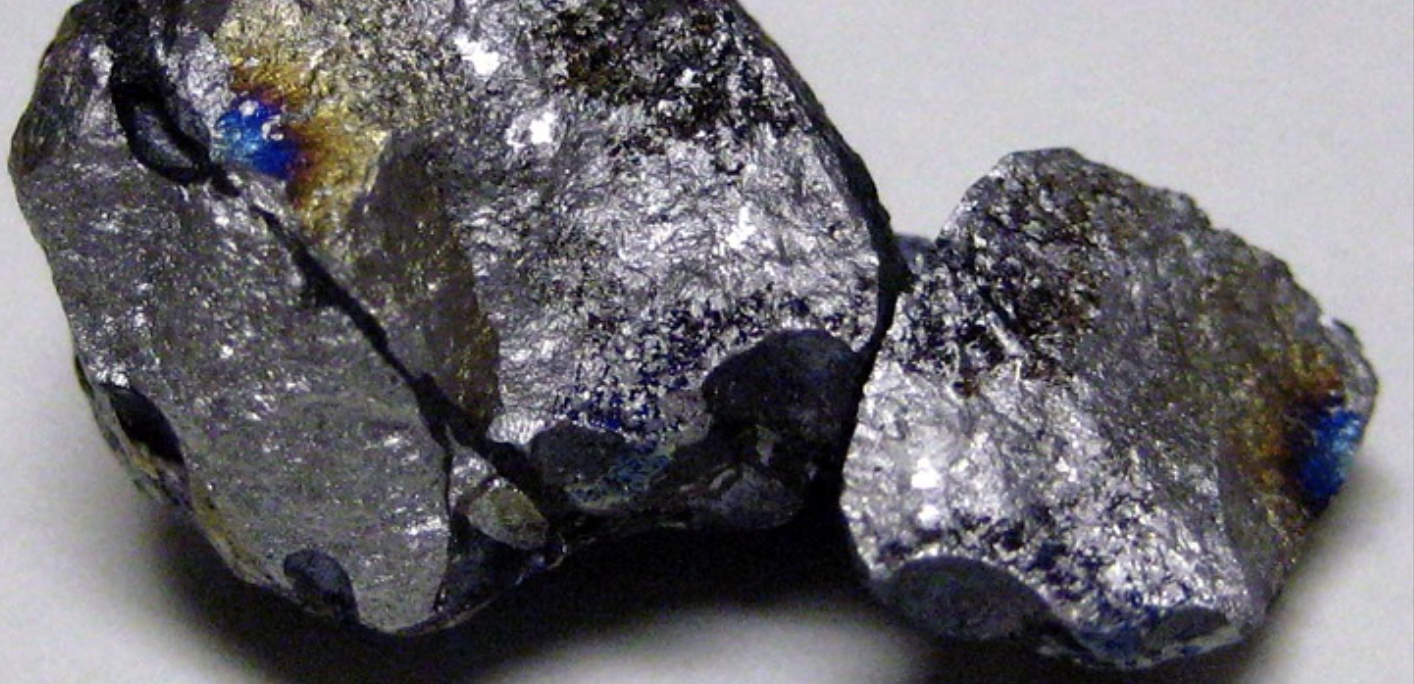
Vanadium
What is it?
Vanadium is a naturally occurring metal widely distributed in the earth's crust and rocks, and it is commonly used by industries to produce rust-resistant steel, ceramics, and even some nutritional supplements.¹ While most foods naturally contain low amounts of vanadium and people are safely exposed to very low levels every day without harm, having too much of it in your drinking water can pose health risks.¹˒⁸ Because vanadium in well water cannot be seen or smelled, it is hard to detect without testing, though very high amounts might occasionally give the water a metallic taste.⁸
Where It Comes From in New Mexico
In New Mexico, elevated levels of vanadium in drinking water can come from natural geology, mining legacies, and industrial activities. First, it occurs naturally in the region's sandstone and limestone bedrock.³ Second, New Mexico's long legacy of uranium mining, particularly in the Navajo Nation, has left behind environmental contamination where minerals like vanadium are closely associated with uranium ore.³ Lastly, industrial sources, particularly the burning of fuel oils and coal by power plants, release vanadium particles into the air, which can eventually settle into the soil and wash into water sources.¹
Health Concerns
Drinking water with high levels of vanadium can cause immediate issues like nausea, mild diarrhea, and stomach cramps.¹˒⁸ Over the long term, animal studies show that ingesting vanadium can cause decreased red blood cells and increased blood pressure.¹ A significant concern is for pregnant women and infants; animal studies demonstrate that vanadium exposure during pregnancy can cause decreases in growth and increases in birth defects.¹ State health guidelines have been proposed specifically to protect developing fetuses, neonates, and other sensitive populations from excessive vanadium intake.²
How Climate Change Exacerbates Exposure Risk
Wildfires and the methods used to fight them can dramatically increase vanadium in local water. During massive wildfires, such as the 2022 Hermits Peak-Calf Canyon Fire in New Mexico, airplanes dropped bright red fire retardants to suppress the blaze.⁴ Recent studies discovered that these fire suppressants contain high levels of toxic metals, including vanadium.⁵ When it rains, these metals can wash into the soil and groundwater, leading to sudden spikes in heavy metal contamination in nearby private wells.⁴˒⁵
How to Prevent Exposure Risk
If you get your water from a private well, it is your responsibility to ensure it is safe, as the Environmental Protection Agency does not have a set drinking water standard for vanadium.⁸
Look out for signs: Because vanadium cannot be seen or smelled, you cannot easily rely on your senses, though very high amounts might occasionally give the water a metallic taste.⁸
Test your water: Have your well water tested by a certified laboratory to check for vanadium and other heavy metals.⁶˒⁸ Following the Hermits Peak-Calf Canyon Fire, the New Mexico Environment Department offered free well testing for heavy metals in the affected areas.⁶
Never boil the water: Boiling water will not remove vanadium; it simply evaporates the water and leaves the metals behind, making them even more concentrated and dangerous.⁶
Filter your water: If your water has high vanadium levels, you can install specialized home water treatment systems. Reverse osmosis systems and ion exchange filters are highly effective at reducing vanadium and other heavy metals from your home's drinking water.⁶˒⁷˒⁸
References
ATSDR ToxFAQs for Vanadium Link: https://www.atsdr.cdc.gov/toxfaqs/tfacts58.pdf
OEHHA Proposed Notification Level for Vanadium Link: https://oehha.ca.gov/water/proposed-notification-level-vanadium
Quantification of Elemental Contaminants in Unregulated Water across Western Navajo Nation Link: https://pmc.ncbi.nlm.nih.gov/articles/PMC6696199/
FSEEE: Retardant Suspected in Polluted Wells Link: https://nationalforestadvocates.org/retardant-suspected-in-polluted-wells/
Metals in Wildfire Suppressants Link: https://pubs.acs.org/doi/10.1021/acs.estlett.4c00727
NMDOH / NMED Private Well Water Testing & Health Reports Links: https://www.env.nm.gov/morasanmigueltaos-pws/ , https://www.nmhealth.org/news/alert/2025/11/?view=2295
A Guide to Home Water Treatment - MSU Link: https://www.canr.msu.edu/uploads/resources/pdfs/e-3342_wcag_2.0.pdf
NC DPH: Vanadium & Private Wells Link: https://epi.dph.ncdhhs.gov/oee/docs/Vanadium_WellWaterFactSt.pdf