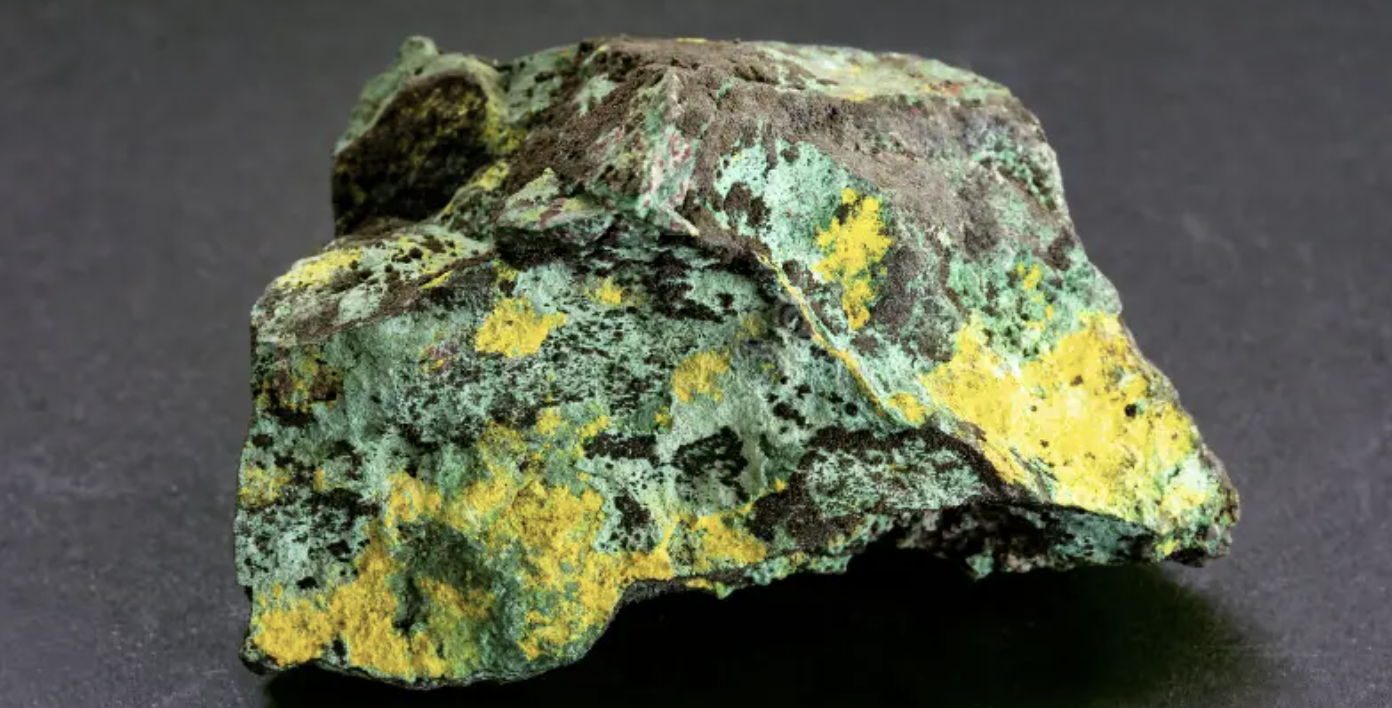
Uranium
What is it?
Uranium is a naturally occurring radioactive heavy metal found in rocks, soil, and groundwater.¹ While it is radioactive, the main danger in drinking water actually comes from its chemical toxicity as a heavy metal, rather than its radiation.²˒⁴ Because uranium cannot be seen, tasted, or smelled in drinking water, testing is the only way to know if it is present.³
Where It Comes From in New Mexico
In New Mexico, high levels of uranium in drinking water generally come from two sources. First, it occurs naturally in the state's geology, particularly in rock formations such as granite, volcanic ash beds, and sandstone, found in areas like the Grants Mineral Belt and the San Juan Basin.⁴ Second, New Mexico has a massive legacy of historical uranium mining. Between the 1940s and 1980s, the state was the epicenter of the global uranium industry, leaving behind more than 500 abandoned uranium mines and mill tailings, particularly on and near the Navajo Nation.⁴˒⁵ These abandoned sites contain uncontained waste that can wash or leach heavy metals and radiation into the surrounding surface water and shallow groundwater.⁴
Health Concerns
When you drink water contaminated with uranium, most of it leaves your body quickly, but a small amount is absorbed into your bloodstream and stored in your bones, liver, and kidneys.²˒⁴ The kidney is the most sensitive organ to uranium toxicity.¹˒⁴ Short-term exposure to large amounts can cause changes in how your kidneys work, though this can sometimes be reversed if you stop drinking the contaminated water.¹ However, long-term exposure to high levels over many years can cause chronic kidney disease, and the uranium stored in bones can increase the risk of bone cancer or other complications.⁴ Recent studies also show prenatal exposure may lead to immune system alterations and developmental delays in children.⁴
How Climate Change Exacerbates Exposure Risks
Climate change and severe, ongoing droughts are increasing the risk of uranium exposure in New Mexico.¹˒² As the state experiences longer dry periods, there is less fresh water to refill the underground water supplies.²˒³ At the same time, people continue to heavily pump water from these shrinking underground sources to meet their daily needs.² Because there is less water overall, the uranium that naturally exists in the ground becomes much more concentrated in the water that is left behind.²˒⁴ Without enough new rainfall to dilute these minerals, uranium levels are trending upward, making the water in vulnerable areas more dangerous to drink over time.²˒³
How to Prevent Exposure Risks
If you get your water from a private well, it is completely your responsibility to test and treat it, because the Environmental Protection Agency, or EPA, and state agencies do not regulate private wells.³˒⁴
Test your water: Have your well water tested by a certified laboratory to check for uranium. It is recommended to test your private well for uranium at least every three years.³˒⁴
Look out for high-risk areas: While you cannot see or taste uranium, you should be especially vigilant if you live near historical mining districts or in counties known for high natural uranium levels, such as Santa Fe, McKinley, and Doña Ana counties.⁴
Never boil the water: Boiling water will not remove uranium. In fact, boiling evaporates the water and leaves the uranium behind, making the heavy metal even more concentrated and dangerous.⁴˒⁶
Filter your water: Simple charcoal pitchers, like Brita, are ineffective for removing uranium.⁴ If your water has high uranium levels, you should install specialized water treatment systems, such as a Reverse Osmosis, or RO, system at your sink or a whole-house specialized water softener system, which can remove 90% or more of the uranium.⁴˒⁶
References
1. URANIUM AND HUMAN HEALTH - NM-Tracking Link: https://nmtracking.doh.nm.gov/contentfile/pdf/environment/water/uranium/Uranium_and_Human_Health_rev2024.pdf
2. Uranium | Public Health Statement | ATSDR - CdcLink: https://wwwn.cdc.gov/TSP/PHS/PHS.aspx?phsid=438&toxid=77
3. Private Wells Testing - NM-TrackingLink: https://nmtracking.doh.nm.gov/environment/water/PrivateWellTesting.html
4. Geochemical Characterization, Toxicological Impacts, and Public Health Management of Uranium in New Mexico Drinking Water Systems
5. Navajo Nation Abandoned Uranium Mines Cleanup | US EPALink: https://www.epa.gov/navajo-nation-uranium-cleanup/aum-cleanup
6. Private Well Water Treatment - NM-TrackingLink: https://nmtracking.doh.nm.gov/environment/water/private_wells/Treatment.html
7. EPA Announces $26 Million in Funding for New Mexico Water Infrastructure Improvements Link: https://www.epa.gov/newsreleases/epa-announces-26-million-funding-new-mexico-water-infrastructure-improvements
8. Private Wells and Uranium - NM-TrackingLink: https://nmtracking.doh.nm.gov/environment/water/private_wells/UraniumData.html
9. Uranium - NM-TrackingLink: https://nmtracking.doh.nm.gov/environment/water/Uranium.html