Arsenic
What is it?
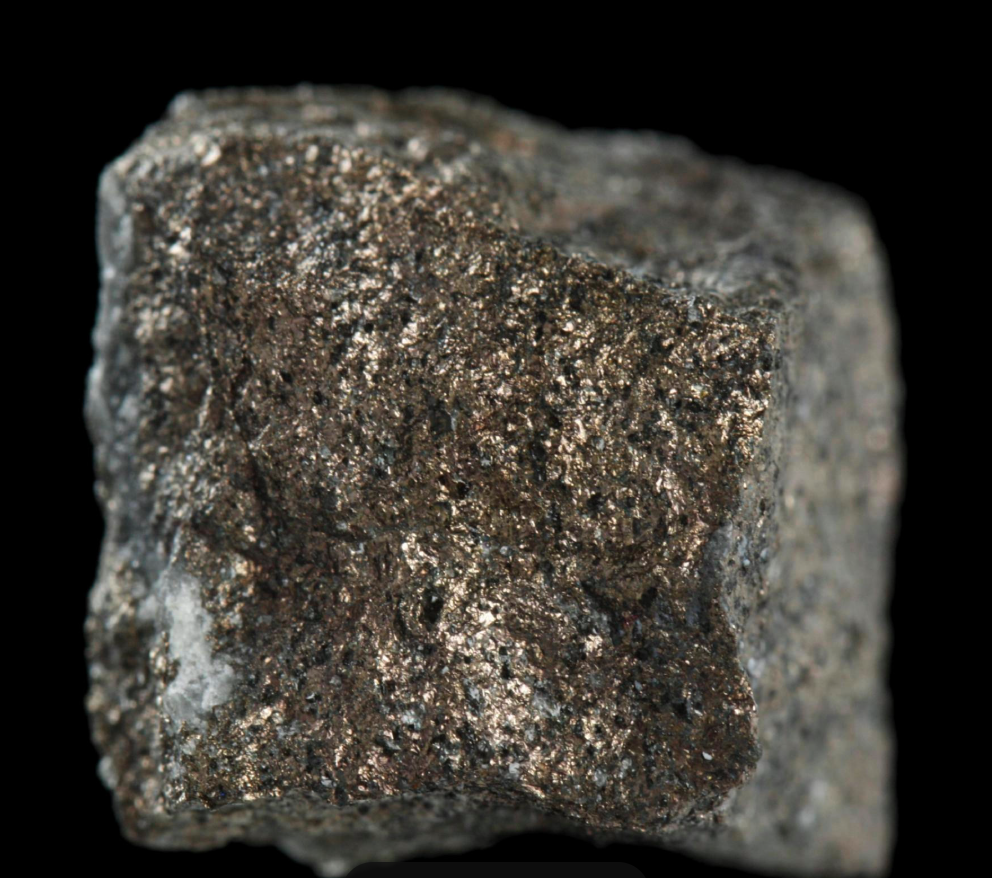
Arsenic is a naturally occurring element found all over the world in dirt, rocks, air, and water.¹ Even though it is natural, certain forms of it are highly toxic and can be extremely dangerous to human health.¹
Where It Comes From in New Mexico
The biggest threat to the public comes from drinking contaminated groundwater.¹ As water flows underground, it naturally dissolves arsenic from the surrounding rocks.¹˒² In New Mexico, arsenic is widespread in the groundwater, particularly in central and north-central areas like Bernalillo, Socorro, and Torrance counties.² Human activities can also add to the problem, such as runoff from old agricultural pesticides, mining, and chemicals used to treat lumber.¹
Health Concerns
Drinking water with high levels of arsenic over a long period can lead to serious health problems. It is a known cause of cancer, particularly cancers of the skin, bladder, and lungs.¹ Long-term exposure can also cause changes in your skin, heart disease, lung issues, and diabetes.¹ It is especially dangerous for pregnant women and young children, as it can harm a baby's growth and negatively affect a child's brain development.¹ In severe, short-term cases, drinking high levels of arsenic can cause stomach pain, vomiting, diarrhea, and numbness in the hands and feet.¹
Note: Never boil your water to try and remove arsenic.⁴ Boiling water only kills bacteria; it does not remove heavy metals.⁴ In fact, boiling evaporates the water and leaves the arsenic behind, which increases the concentration of the poison in your water.⁴
How Climate Change Exacerbates Exposure Risk
Changing weather patterns directly increase the risk of arsenic contamination in our water:
Droughts: During long dry spells, groundwater levels drop.² This causes the concentration of naturally occurring arsenic in private wells to spike to unsafe levels.² The longer a drought lasts, the higher the chance of dangerous arsenic levels in your well.²
Wildfires: When wildfires burn away trees and vegetation, the exposed soil and ash easily wash away during the next rain.⁴ This debris flows into nearby water sources, leading to sudden increases in heavy metals.⁴ For example, testing near the 2022 Hermit’s Peak/Calf Canyon burn scar in Mora County revealed arsenic levels that spiked above safe drinking limits.⁴
How to Prevent Exposure Risk
If you get your water from a private well in New Mexico, the state does not regulate or inspect your water; you are 100% responsible for ensuring it is safe to drink.
Test your well regularly: You should test for arsenic when you first move into a home, every 3 to 5 years after that, and immediately following major environmental events like floods, prolonged droughts, or nearby wildfires.⁵˒⁶
Where to get tested: You can send water samples to a state-certified private laboratory for a thorough analysis.⁵˒⁶ Additionally, the New Mexico Environment Department (NMED) hosts annual free "Water Fairs" across the state where they will screen your well water for arsenic and other common issues at no cost.⁵˒⁶
Use safe water alternatives: If your well tests high for arsenic, switch to bottled water or another safe source for all your drinking, cooking, and mixing baby formula.¹ Water with elevated arsenic is still generally safe for bathing or washing clothes.¹
Install a water filter: You can purchase specialized water treatment systems that safely remove arsenic.¹ Reverse osmosis systems or specialized filter cartridges installed under your sink or for the whole house are highly effective.¹
Eat healthy and stop smoking: Eating a balanced diet helps your body naturally defend itself against the harmful effects of arsenic.¹ Quitting smoking is also crucial, as tobacco plants naturally absorb arsenic from the soil, adding to your overall exposure.¹
References
1. World Health Organization. (2022, December 7). Arsenic. https://www.who.int/news-room/fact-sheets/detail/arsenic
2. U.S. Geological Survey. (2021, March 18). Drought may lead to elevated levels of naturally occurring arsenic in private domestic wells. https://www.usgs.gov/news/national-news-release/drought-may-lead-elevated-levels-naturally-occurring-arsenic-private
3. New Mexico Environment Department. (n.d.). Free well water testing. https://www.env.nm.gov/septic/free-well-water-testing-2/
4. New Mexico Department of Health. (2025). Heavy metals in Mora County water. https://nmtracking.doh.nm.gov/contentfile/pdf/environment/water/HPCC_FactSheet_2025.pdf
5. DrillerDB. (2025, December). New Mexico private well guide. https://drillerdb.com/resources/well-owner/new-mexico-well-guide
6. New Mexico Environment Department. (n.d.). Private wells. https://www.env.nm.gov/drinking_water/private-wells-2/