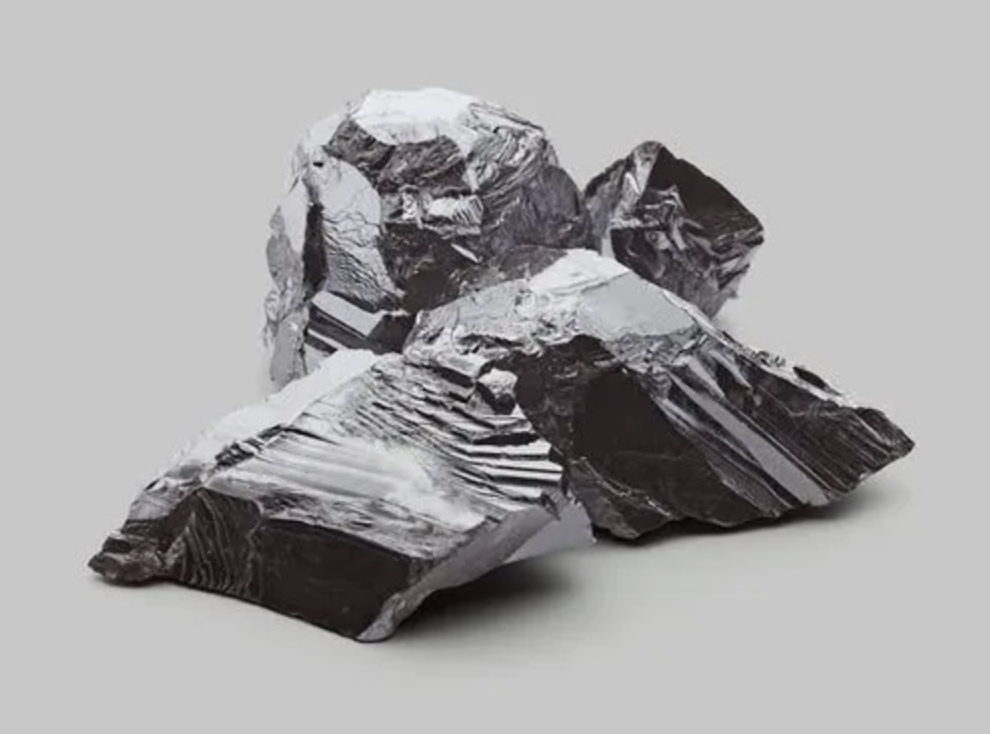
Cadmium
What is it?
Cadmium is a natural metal found everywhere in dirt and rocks.¹ Even though it comes from nature, it is a dangerous poison that can seriously harm your health, especially if you breathe it in.¹
Where It Comes From in New Mexico
In New Mexico, the biggest risk to the public comes from pollution left behind by old mines and metal processing plants.¹˒² When water flows through old, abandoned mines, it can turn acidic and leak heavy metals into streams and rivers.² Big spills, like the 2015 Gold King Mine blowout, have washed this poison into major waterways like the Animas and San Juan Rivers.² Old sites, such as the Royal John Mine in Grant County, have also leaked cadmium into local creeks for decades.³
Cadmium can also get into the food chain.¹ For instance, testing has found high levels of cadmium in wild plants like Navajo tea growing near busy roads in northwestern New Mexico.⁴ While cadmium can sometimes be found in underground well water, the water systems below ground in New Mexico are very complicated.⁵ This means one private well might be perfectly safe, while a neighbor's well has high levels of the metal.⁵
Health Concerns
Most people are exposed to cadmium through the food they eat, but smoking tobacco is another major way the poison enters the body.¹ Long-term exposure to even small amounts of cadmium can cause severe damage to your kidneys, where the metal can stay trapped for decades.¹˒⁶ It is also a known cause of lung, prostate, and kidney cancers, and new research links it to gallbladder cancer.¹˒⁶˒⁷ Over time, cadmium can weaken your bones, making them soft and easy to break.¹˒⁶ It is also incredibly dangerous for the brain, potentially leading to learning problems and abnormal behavior in both children and adults.¹˒⁶
A critical warning: Tobacco plants soak up cadmium from the soil, making cigarette smoke a major source of this poison.¹˒⁶ Breathing in cadmium is much more toxic than swallowing it.¹ Always avoid smoking, especially around children and family members.¹
How Climate Change Exacerbates Exposure Risk
Changing weather patterns can directly increase the risk of cadmium pollution in our environment:
Wildfires and Floods: When wildfires destroy trees and plants, the heavy rains that follow can cause massive floods.³ These floods wash exposed dirt, ash, and old toxic mining waste straight into nearby streams and rivers.³ For example, after a large fire in 2013, flooding washed toxic waste from the old Royal John Mine into Cold Springs Creek, causing cadmium levels to spike to unsafe levels.³
Storms and Snowmelt: Heavy rainstorms and melting spring snow make rivers flow faster and harder.² This rough water stirs up cadmium-laced dirt that has settled on river bottoms from old mining spills, carrying the poison further downstream.²
How to Prevent Exposure Risks
If you get your water from a private well in New Mexico, the state does not check your water for you; you are 100% responsible for testing it to make sure it is safe to drink.⁵
Test your well regularly: You should test your well for cadmium, especially if you live near old mines or industrial areas.¹ The safe limit for cadmium in drinking water is 5 micrograms per liter (mcg/L).⁵
Where to get tested: You can use certified private labs to test your water.¹ The New Mexico Environment Department, or NMED, also tests water for free at local “Water Fairs” across the state.⁵
Practice food safety: Eat a balanced diet and always wash your fruits and vegetables.¹ If you grow root vegetables, like potatoes or carrots, in soil that might be contaminated, you should peel them and throw away the outside layers.¹
Household safety: Never let children play with rechargeable batteries, which contain cadmium, and throw old batteries away at proper recycling drop-offs.¹ If you work around cadmium, take off your work clothes and wash up before coming home so you do not bring toxic dust home to your family.¹
Use safe water alternatives: If your well water tests high for cadmium, use a different, safe water source for drinking and cooking, or install a specialized water filter designed to remove heavy metals.¹
References
1. Agency for Toxic Substances and Disease Registry. (2012, September). Toxicological profile for cadmium. U.S. Department of Health and Human Services, Public Health Service. https://www.atsdr.cdc.gov/toxprofiles/tp5.pdf
2. New Mexico Department of Health. (n.d.). Cadmium fact sheet. New Mexico Environmental Public Health Tracking. https://nmtracking.doh.nm.gov/contentfile/pdf/Cadmium_final.pdf
3. New Mexico Department of Health. (2022, August update). Cadmium distribution in New Mexico private wells: Wells sampled January 2004–April 2018. New Mexico Environmental Public Health Tracking. https://nmtracking.doh.nm.gov/contentfile/pdf/environment/water/cadmium/Cd_2019_model_with_table.pdf
4. New Mexico Environment Department, Surface Water Quality Bureau. (2019, Summer). Clearing the Waters, 24(2). https://www.env.nm.gov/wp-content/uploads/sites/25/2017/06/ClearingTheWaters_Summer-2019-online.pdf
5. New Mexico Long-Term Impact Team. (2017, May 5). Gold King Mine water spill: Long-term monitoring plan. https://www.env.nm.gov/wp-content/uploads/2016/01/GKM-Long-Term-Monitoring-Plan-for-2017-Final_5-5-2017.pdf
6. Sharma, P., Caldwell, T. S., Rivera, M. N., & Gullapalli, R. R. (2020). Cadmium exposure activates Akt/ERK signaling and proinflammatory COX-2 expression in human gallbladder epithelial cells via a ROS-dependent mechanism. Toxicology in Vitro, 67, 104912. https://doi.org/10.1016/j.tiv.2020.104912