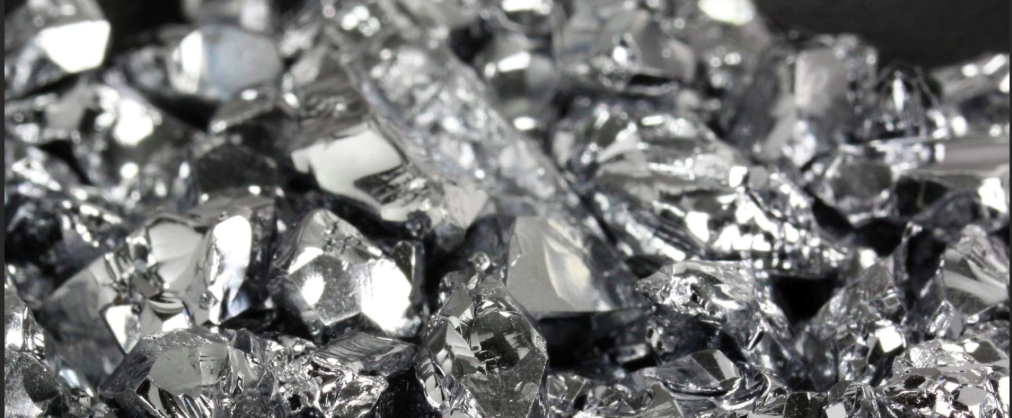
Chromium
What is it?
Chromium is an odorless and tasteless metal that is naturally found in rocks, plants, soil, and animals.¹ In drinking water, it usually shows up in two forms: Chromium-3 and Chromium-6.¹ Chromium-3 is actually a healthy and essential nutrient your body needs.¹˒² However, Chromium-6 is a highly dangerous, cancer-causing chemical that is usually created by industrial processes.¹˒² Because it has no taste or smell, you cannot tell if chromium is in your water just by looking at it or tasting it.¹
Where It Comes From in New Mexico
In New Mexico, high levels of chromium in water usually come from two main sources. First, it can come from natural geology, as the erosion of soil and rock naturally releases chromium into the groundwater.² Second, it comes from a history of industrial pollution. The most famous example is a massive underground Chromium-6 spill beneath the Los Alamos National Laboratory.⁴˒⁵ Workers flushed up to 160,000 pounds of contaminated cooling water into a nearby canyon between 1956 and 1972, which eventually leaked into the region's drinking water supply.⁴˒⁵
Health Concerns
While Chromium-3 is safe, drinking water contaminated with Chromium-6 is extremely toxic and is known to increase the risk of stomach and digestive cancers.²˒⁴ Short-term and long-term exposure can cause allergic skin reactions, stomach ulcers, nausea, and severe damage to the liver and kidneys.¹˒³ Infants, children, and people who take antacids for their stomachs are especially vulnerable to getting sick from Chromium-6.²
How Climate Change Exacerbates Exposure Risk
Environmental events and attempts to clean up pollution can sometimes make the problem worse. For example, after the massive 2022 Calf Canyon/Hermits Peak Fire, high levels of chromium and other heavy metals from firefighting materials were found in the groundwater of Mora County.⁶ Additionally, human attempts to clean up pollution can sometimes backfire. Recent efforts to pump, treat, and reinject the Los Alamos chromium spill failed to contain the plume and accidentally pushed some of the contaminated water closer to the neighboring Pueblo de San Ildefonso.⁴˒⁵
How to Prevent Exposure Risk
If you use a private well, it is completely your responsibility to make sure your water is safe.
Test your water: Because chromium is completely invisible, tasteless, and odorless, testing is the only way to know if it is in your water.¹˒² You can pay to have your water tested by a certified lab, or look out for "Water Fair" events hosted by the state, which offer free testing for well owners.⁶˒⁷
Never boil the water: Just like with other heavy metals, boiling your water will not remove chromium; it simply evaporates the water and leaves the metals behind, making them even more concentrated.⁶
Filter your water: If your water has high levels of chromium, you should install a specialized water filter in your home.⁸ Reverse osmosis filters are highly recommended and can effectively remove Chromium-6.²˒⁶˒⁸
References
Chromium in Drinking Water | US EPA: https://www.epa.gov/sdwa/chromium-drinking-water
Chromium-6 in U.S. Tap Water | Environmental Working Group: https://www.ewg.org/research/chromium-6-us-tap-water
CHROMIUM FACT SHEET - Water Quality Association: https://wqa.org/wp-content/uploads/2022/09/2016_Chromium.pdf
Could a toxic metal plume threaten New Mexico residents? | The Independent: https://www.independent.co.uk/news/world/americas/new-mexico-chromium-plume-pubelo-b2868331.html
Hexavalent Chromium Campaign | Department of Energy: https://www.energy.gov/em-la/hexavalent-chromium-campaign
Report finds increased levels of metals in Mora County water - New Mexico Department of Health: https://www.nmhealth.org/news/alert/2025/11/?view=2295
Free well water testing available to Ruidoso residents: https://service.web.env.nm.gov/urls/RFhGtyXl
How to Get Chromium-6 Out of Your Water | PBS News: https://www.pbs.org/newshour/science/getting-the-chromium-out-of-your-water