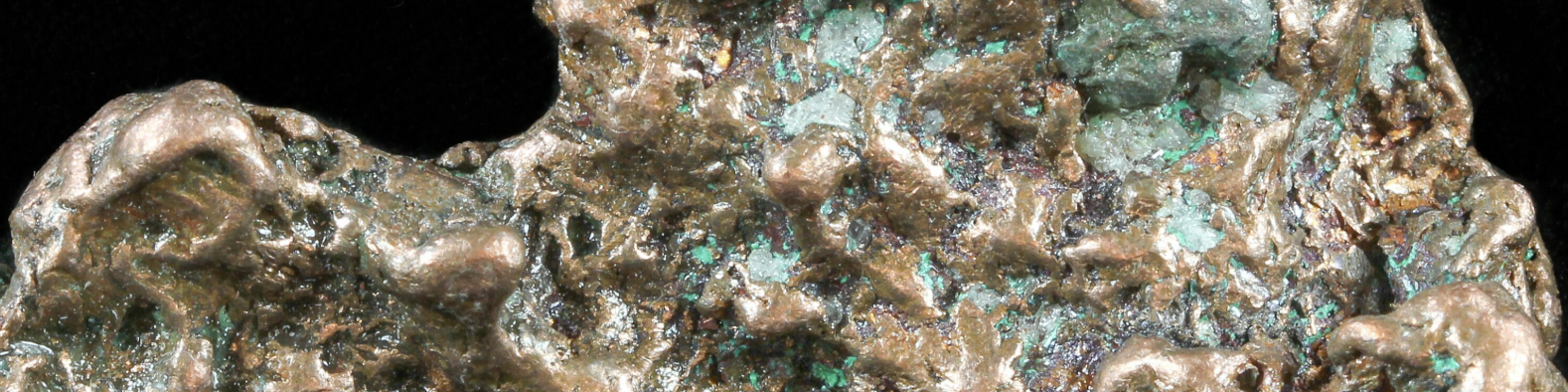
Copper
What is it?
Unlike some water contaminants, copper is a naturally occurring metal that your body actually needs in small amounts to stay healthy.¹ However, having too much copper in your drinking water can cause serious problems.² High levels of copper can give water a sharp metallic taste and leave distinct blue-green stains on your sinks and plumbing fixtures.²
Where It Comes From in New Mexico
In New Mexico, high levels of copper in drinking water usually come from two main places. First, it can leach into your tap water from aging household plumbing, particularly in homes built between 1982 and 1987 that used copper pipes joined with lead-based solder, especially when the water is naturally corrosive.²˒³ Second, New Mexico has a long history of industrial mining that has impacted groundwater. Contamination from massive mining operations can pollute the groundwater aquifers that supply local drinking water.²
Health Concerns
While your body needs low levels of copper, drinking water that has too much copper can make you sick ⁴. Short-term effects of drinking copper-contaminated water include stomach cramps, nausea, vomiting, and diarrhea ²,⁴. Long-term exposure to high levels is even more dangerous, potentially leading to liver and kidney damage ². Infants, children, and people with specific genetic conditions like Wilson's disease are especially vulnerable to health issues from too much copper ²,⁵.
How Climate Change Exacerbates Exposure Risk
Natural disasters, specifically wildfires, can directly impact the amount of heavy metals in our water. Wildfires change the landscape, and post-fire runoff can contaminate surface and well water ⁶. For example, following the catastrophic Hermits Peak/Calf Canyon Fire in 2022, studies found elevated levels of heavy metals, including copper, in Mora County's groundwater ⁶.
How to Prevent Exposure Risk
If you get your water from a private well, it is your responsibility to make sure it is safe to drink, as the state does not regulate private wells ⁷.
Look out for signs: Pay attention if your water develops a metallic taste or leaves blue-green stains on fixtures ².
Test your water: Have your well water tested by a certified laboratory ⁷. Following the recent wildfires, the state has offered free well testing and emergency drinking water to residents in affected areas, such as Mora County⁶,⁹.
Flush the tap: If water has been sitting in your pipes for several hours, run the cold water for 15 to 30 seconds before drinking or cooking to flush out the concentrated metals ⁸.
Use cold water only: Never use hot tap water for drinking, cooking, or making baby formula, as hot water dissolves copper much faster than cold water ⁸,¹⁰.
Never boil the water: Boiling water will not remove copper; it simply evaporates the water and leaves the metals behind, making them more concentrated ⁸,⁹.
Filter your water: If your water has high copper levels, you can use certified water filters, such as reverse osmosis systems, to reduce the metals ⁸.
References
1. Copper and Your Health | Mass.gov: https://www.mass.gov/info-details/copper-and-your-health.
2. The Geochemical and Regulatory Landscape of Copper in New Mexico Drinking Water: A Comprehensive Analysis of Health Impacts, Infrastructure Challenges, and Environmental Prevalence: https://www.env.nm.gov/drinking_water/lead-and-copper-program/
3. Your Drinking Water - Lead & Copper - Albuquerque Bernalillo County Water Utility Authority: https://www.abcwua.org/your-drinking-water-lead-copper/.
4. National Primary Drinking Water Regulations | US EPA: https://www.epa.gov/ground-water-and-drinking-water/national-primary-drinking-water-regulations.
5. Allowable Levels of Copper in Drinking Water Should Not Be Increased Until Studies Are Done: https://www.nationalacademies.org/news/allowable-levels-of-copper-in-drinking-water-should-not-be-increased-until-studies-are-done.
6. Report finds increased levels of metals in Mora County water - New Mexico Department of Health: https://www.nmhealth.org/news/alert/2025/11/?view=2295.
7. Private Wells - New Mexico Environment Department: https://www.env.nm.gov/drinking_water/private-wells-2/.
8. Lead and Copper Rule: Action Level Exceedances - EPA: https://www.epa.gov/system/files/documents/2025-08/2_lcr-post-ale_2025.07.22_2.pdf.
9. State delivers emergency drinking water to Mora County - NMDHSEM: https://www.dhsem.nm.gov/state-delivers-emergency-drinking-water-to-mora-county/.
10. Copper in Drinking Water - | WA.gov: https://doh.wa.gov/sites/default/files/legacy/Documents/Pubs/331-178.pdf.