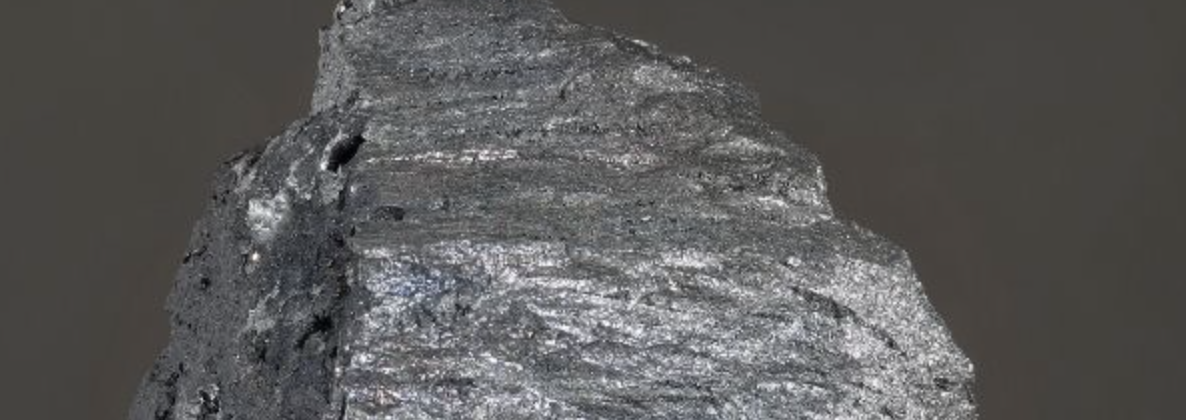
Iron
What is it?
Iron is a very common natural metal.⁵ It is actually good for you, as it helps carry oxygen through your blood, but your body gets most of the iron it needs from the food you eat.³ The type of iron found in water is hard for your body to absorb, so it is rarely a health danger.³ Instead, high iron levels are mostly a nuisance because they can give your water a rusty color, a bad smell, and a harsh metallic taste.³ It can also create a gross, reddish-brown or yellowish slime inside your pipes.⁵
Where It Comes From in New Mexico
In New Mexico, iron is naturally found deep underground.³ As water flows through the earth, it dissolves the iron hidden inside rocks and dirt.³ New Mexico's underground water systems are very complicated, which means iron levels can be completely different even between two neighbors' wells.⁴ Iron can also get into your tap water if your water is naturally acidic, which causes it to eat away at older steel or iron plumbing pipes.⁵
Health Concerns
For most people, iron in drinking water is just an annoyance that tastes bad and clogs plumbing, rather than a threat to human health.⁶ However, there is a very serious warning for people with a genetic disease called hemochromatosis, or "iron overload."¹ This disease causes the body to absorb far too much iron, and drinking high-iron water can be toxic to the heart, liver, and pancreas.¹˒² Additionally, too much iron in the water can feed "iron bacteria."³ While these bacteria will not make you sick directly, they create a smelly slime that provides a safe hiding place for other dangerous germs to grow.³
How Climate Change Exacerbates Exposure Risk
Extreme weather and environmental changes directly affect water quality in New Mexico.³ Long droughts and the heavy pumping of underground water have caused serious concerns.³ Without enough fresh rain soaking into the ground to refill the underground water supplies, the natural iron becomes more concentrated and can easily rise above recommended safety levels.¹˒³
How to Mitigate Exposure Risks
If you are worried about iron in your home's water, experts recommend several steps.⁵
Test your water: If you have a private well, you should test your water using a certified lab when you move in, every 5 to 10 years, or whenever you notice a change in the water's taste or color.⁵
Filter your water: To get rid of the metallic taste, you can install a water softener or a whole-house iron filter.⁵ If someone in your home has hemochromatosis, or iron overload, it is strongly advised to filter your water or switch to drinking bottled water.¹
Clean out bacteria: If you are dealing with smelly iron bacteria slime in your well, the most common fix is "shock chlorination," which flushes the well and pipes with a strong dose of chlorine to clean the system.³
Change your laundry habits: High iron leaves rusty spots on your clothes and plumbing fixtures.¹ Regular chlorine bleach actually makes these rusty spots much worse, so you should switch to non-chlorine bleach when washing clothes.¹
References
1. Agency for Toxic Substances and Disease Registry (ATSDR), U.S. Department of Health and Human Services. Health Consultation: Exposure Investigation Report - Drinking Water Sampling from Homes Near the Kerr McGee Chemical Corporation: http://www.atsdr.cdc.gov
2. North Carolina Department of Health and Human Services, Division of Public Health, Epidemiology Section. Iron & Private Wells: https://epi.publichealth.nc.gov/oee/programs/wellwater.html
3. New Mexico Environmental Public Health Tracking (NM EPHT). Iron: https://nmtracking.doh.nm.gov/
4. New Mexico Department of Health (NMDOH) Private Wells Program. Iron Distribution in New Mexico Private Wells: https://nmtracking.doh.nm.gov/environment/water/Iron.html
5. New Mexico Environment Department, Drinking Water Bureau. Iron in Drinking Water: https://www.env.nm.gov/drinking_water/