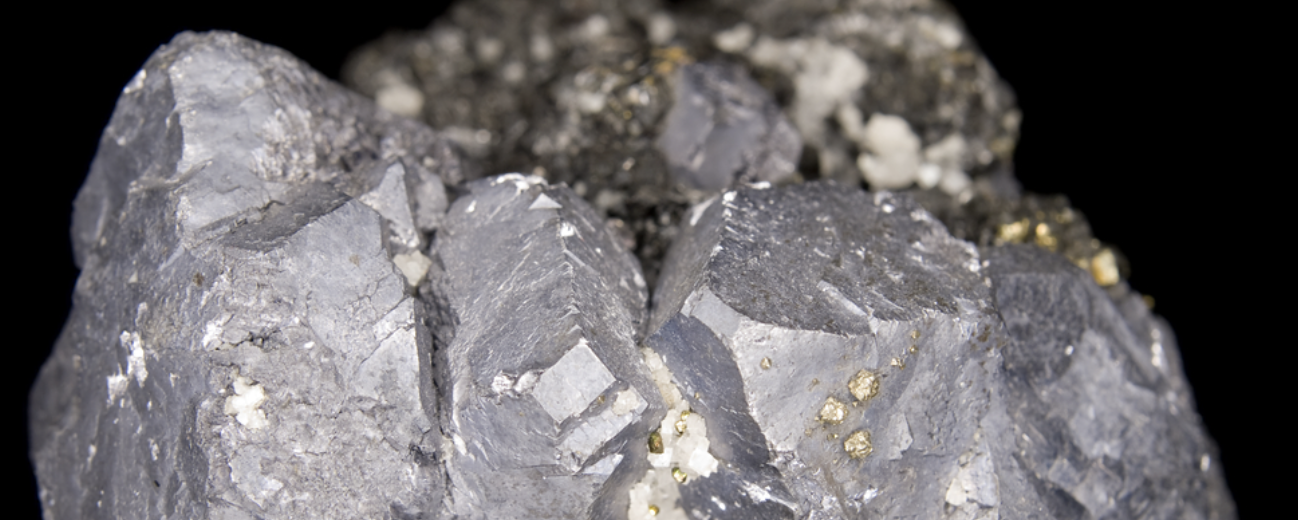
Lead
What is it?
Lead is a toxic metal that your body does not need at all, and there is no safe level of exposure.¹˒² Because it is completely invisible and has no taste or smell, you can easily consume it without knowing.³ Once inside your body, lead acts as a dangerous poison.¹˒³
Where It Comes From in New Mexico
In New Mexico, drinking water does not naturally contain lead.¹ Instead, it gets into the water by leaching out of plumbing components like older pipes, brass fixtures, and lead solder.¹ This is most common in homes built before 1940 or between 1982 and 1987.¹˒⁴ New Mexico's water is usually "hard," which helps build a protective mineral scale inside pipes to block lead from leaking.¹ However, water can sometimes become corrosive and strip away this protective coating.¹
Health Concerns
Even very low doses of lead can cause severe damage to a child's developing brain, leading to learning disabilities and behavioral problems.¹ In adults, high lead levels can cause high blood pressure, kidney damage, and reproductive issues.¹
Babies, developing fetuses, and young children are at the highest risk.¹ A critical warning: Using warm or hot tap water to mix baby formula is incredibly dangerous.¹ Hot water dissolves lead from pipes much faster than cold water does, potentially giving an infant a toxic overdose.¹
How Climate Change Exacerbates Exposure Risks
Just like with other toxic metals, natural disasters directly increase the risk of lead in water.
Wildfires and Floods: When wildfires destroy the landscape, subsequent floods can wash lead-filled ash and legacy mining waste straight into our surface waters.⁵ Furthermore, the chemical fire retardants dropped from airplanes to fight wildfires have been found to contain toxic heavy metals, including lead.⁶
How to Prevent Exposure Risks
If you are concerned about lead in your home, there are several steps you can take.
Flush your pipes: If water has been sitting in your pipes for more than 6 hours, run the cold water tap for 30 seconds to 2 minutes before using it.¹
Only use cold water: Never use hot tap water for drinking, cooking, or making baby formula.¹
Test your water: State "Water Fairs" for private wells do not typically test for lead.⁷ You must use a certified private laboratory to test your specific tap water.¹
Never boil the water: Boiling water will not remove lead; it evaporates the water and leaves the lead behind, making the poison even more concentrated.⁸
Filter your water: Use water filters that are specifically certified to remove lead, such as certain pitcher filters or reverse osmosis systems.¹
References
1. L e a d i n D r i n k i n g W a t e r - New Mexico Department of Health: https://www.nmhealth.org/publication/view/help/289/.
2. Get The Lead Out NM (GTLO) Program - New Mexico Environment Department: https://www.env.nm.gov/gtlo/.
3. Lead In Drinking Water | New Mexico Water Problems: https://culligannewmexico.com/problems/lead.
4. Socio-Technical and Environmental Determinants of Lead Contamination in New Mexico Water Systems: https://www.env.nm.gov/wp-content/uploads/sites/5/2017/08/NM-Guidance-on-Reducing-Lead-in-Drinking-Water-2018-08-06.pdf?
5. Intersection of Wildfire and Legacy Mining Poses Risks to Water Quality - PMC: https://pmc.ncbi.nlm.nih.gov/articles/PMC11741108/.
6. Metals in Wildfire Suppressants - PMC - NIH: https://pmc.ncbi.nlm.nih.gov/articles/PMC11562715/.
7. Free Well Water Testing - New Mexico Environment Department: https://www.env.nm.gov/general/free-well-water-testing/.
8. Private Well Water Testing for Mora, San Miguel and Taos Counties - New Mexico Environment Department: https://www.env.nm.gov/morasanmigueltaos-pws/.