Mercury
What is it?
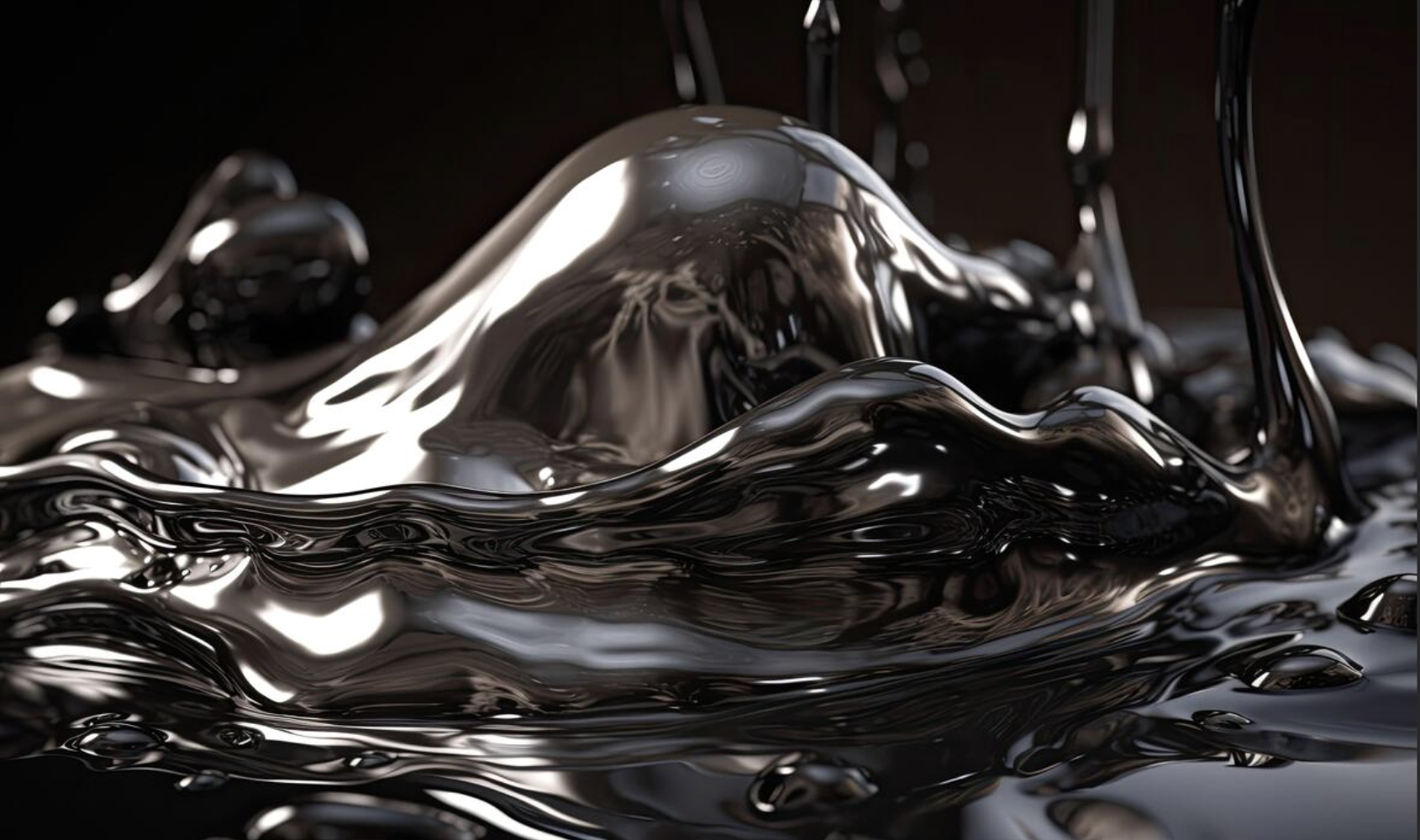
Mercury is a naturally occurring metal that can uniquely take a liquid form at room temperature.¹ Because it has no obvious smell or taste, it is nearly impossible to detect in your tap water without laboratory testing.²
Where It Comes From in New Mexico
In New Mexico, mercury enters the environment from natural geology and human activities. Trace amounts naturally occur in the rocks of the Ladron and Magdalena Mountains.³ Human activities have also contributed; historically, mercury was associated with silver, gold, lead, zinc, and copper mining across the state.³ Furthermore, emissions from coal-burning power plants release mercury into the air, which can then be washed by rain into local rivers and reservoirs like Elephant Butte Lake.²˒³
Health Concerns
The Environmental Protection Agency, or EPA, has set a strict legal safety limit for inorganic mercury in drinking water at 0.002 milligrams per liter, which is equivalent to 2 parts per billion.²˒⁴ Drinking water with levels above this limit over a long period can cause kidney damage.¹˒⁴ Another form of mercury, called methylmercury, is usually a concern when eating contaminated fish rather than drinking tap water. Methylmercury is highly toxic and can severely harm the developing brains and nervous systems of fetuses, infants, and children.¹˒⁵
How Climate Change Exacerbates Exposure Risk
Climate change and extreme weather can increase the risk of mercury exposure. More intense and frequent storms can cause contaminated locations, such as Superfund sites, to release toxic chemicals like mercury into the surrounding water and soil.⁶ Furthermore, when catastrophic wildfires destroy forest vegetation, subsequent heavy monsoon rains can cause extreme debris flows, washing massive amounts of sediment and ash straight into local rivers and streams.⁷
How to Prevent Exposure Risk Most of New Mexico's public water systems successfully meet strict safety standards. In fact, the state's 2023 Annual Compliance Report confirmed zero verified Maximum Contaminant Level, or MCL, violations for mercury statewide.⁸ However, if you get your water from a private well, you are responsible for ensuring it is safe and having it tested.⁹
Look out for signs: Because you cannot see, taste, or smell mercury, you cannot rely on your senses to warn you of contamination.²
Test your water: Having your well water tested by a certified laboratory is the only way to know if it contains dangerous levels of contaminants.⁹
Filter your water: If testing shows high levels of mercury, you can install specialized water treatment systems. Reverse Osmosis, or RO, systems are highly effective at removing mercury and other heavy metals.²˒⁹˒¹⁰ Other helpful home filtration systems include distillation and activated carbon filters.¹⁰
References
Mercury - NM-Tracking Link: https://nmtracking.doh.nm.gov/environment/contaminants/Mercury.html
Mercury In New Mexico Water | Culligan of New Mexico Link: https://culligannewmexico.com/problems/mercury
Mercury in New Mexico surface waters - New Mexico Bureau of Mines & Mineral Resources Link: https://geoinfo.nmt.edu/publications/monographs/circulars/downloads/162/Circular-162.pdf
National Primary Drinking Water Regulations | US EPA Link: https://www.epa.gov/ground-water-and-drinking-water/national-primary-drinking-water-regulations
How People are Exposed to Mercury | US EPA Link: https://www.epa.gov/mercury/how-people-are-exposed-mercury
How hobbling the Environmental Protection Agency would threaten New Mexico's health, families, jobs and economy | Environmental Defense Fund Link: https://www.edf.org/sites/default/files/new_mexico_state_of_risk_report.pdf
State of New Mexico - NONPOINT SOURCE - MANAGEMENT PROGRAM 2023 Annual Report Link: https://www.env.nm.gov/surface-water-quality/watershed-protection-section/
New Mexico 2023 Annual Compliance Report Link: https://service.web.env.nm.gov/urls/NVNpejhL
Private Wells Treatment - NM-Tracking Link: https://nmtracking.doh.nm.gov/environment/water/PrivateWellTreatment.html
How to Remove Mercury From Water | Aquagear Link: https://www.drinkaquagear.com/blogs/news/how-to-remove-mercury-from-water